When Internal Engine Problems Need More Than Maintenance
Full Engine Repair & Overhauls in Canyon for poor running, oil leaks, loss of power, or suspected internal damage
Internal engine problems such as blown head gaskets, valve train noise, persistent oil leaks, or significant power loss often require more than routine oil changes or basic adjustments to restore proper operation. JMA Repair begins with mobile diagnostics to determine whether the symptoms point to head gasket failure, valve adjustment needs, worn internal components, or external leaks that can be repaired without disassembly. This diagnostic step helps separate repairs that can be handled in the field from those requiring major component work at the shop, so you understand the scope before transport becomes necessary.
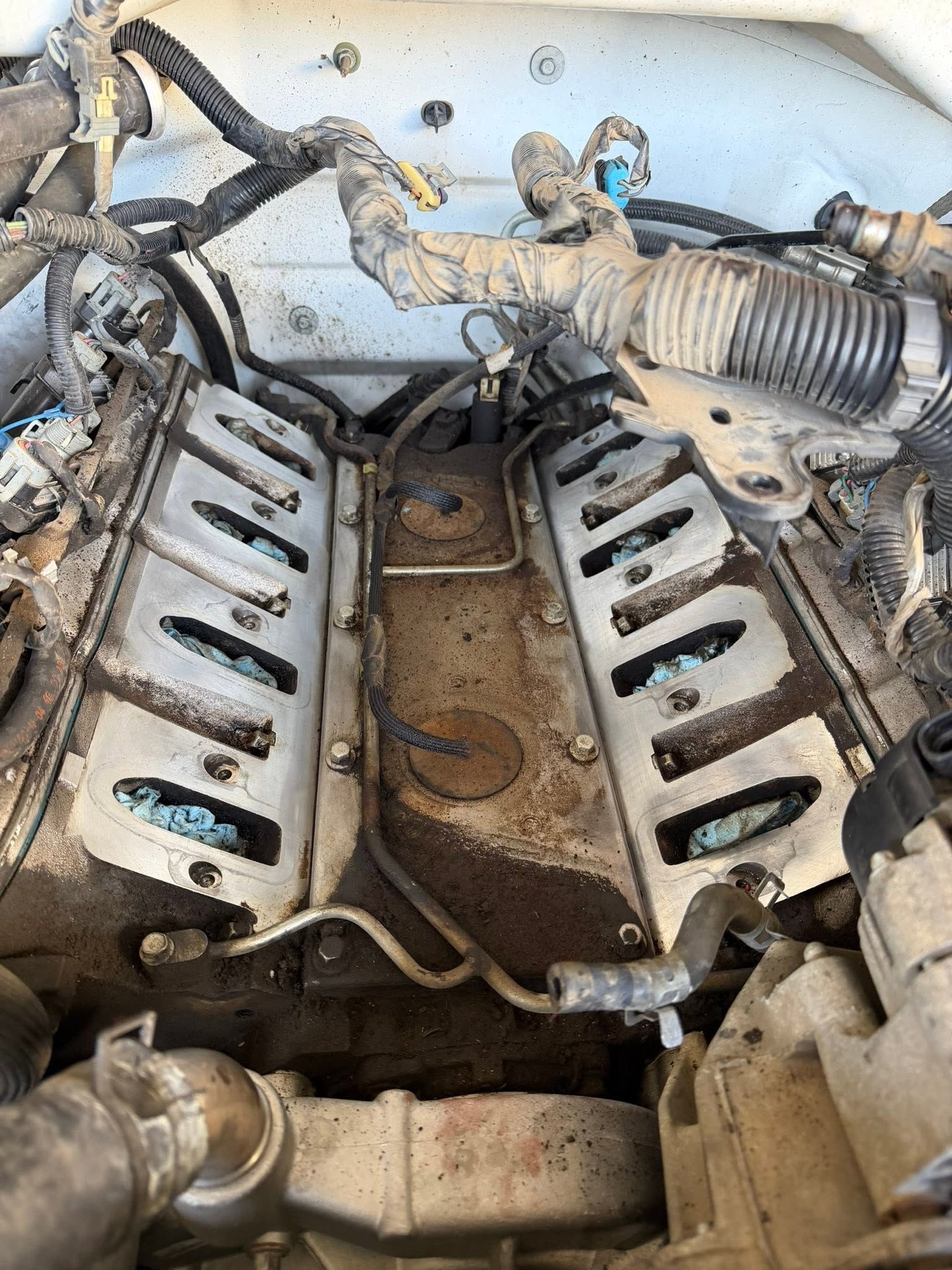
Engine repair capabilities include head gasket replacement, valve adjustments, oil leak repair from valve covers or oil pans, component replacement such as timing components or water pumps, and major top-end work involving cylinder head removal and reassembly. Gasoline and diesel engines receive the same systematic approach, with diagnostics identifying compression loss, abnormal combustion chamber conditions, or mechanical failures before teardown begins. JMA Repair works across passenger vehicles, semis, heavy equipment, generators, boats, and other supported applications where engine problems affect reliable operation.
Arrange an on-site evaluation when your engine shows symptoms beyond normal wear or maintenance needs.
What Full Engine Repair Addresses
Head gasket failure produces visible symptoms including white exhaust smoke from coolant entering the combustion chamber, milky oil from coolant mixing in the crankcase, or external coolant leaks at the head-to-block joint, and repair requires removing the cylinder head, inspecting for warping, replacing the gasket with proper torque sequences, and verifying the cooling system holds pressure after reassembly. Valve adjustments correct clearance between rocker arms and valve stems, which when incorrect cause ticking noise, reduced power from valves not opening fully, or valve damage from excessive clearance allowing hard contact. Oil leaks from valve covers, oil pans, or front and rear seals are traced to the source, repaired by replacing gaskets or seals, and verified by cleaning the engine and checking for new leaks after operation.
After repair, you notice smoother operation if valve adjustments restore proper clearance, elimination of external leaks once gaskets are replaced and fasteners torqued correctly, or restored power when head gasket replacement stops compression loss between cylinders. Cooling system stability returns when head gasket sealing prevents combustion pressure from entering coolant passages. Oil pressure readings normalize when internal passages no longer allow excessive leakage past worn components.
Repairs suitable for field service are completed on site, while major component work such as full top-end rebuilds or lower-end disassembly may require transporting the vehicle or equipment to the shop where controlled conditions and lifting equipment support extended teardown and reassembly. Justin's hands-on mechanical experience and technical background support accurate diagnosis across gasoline and diesel applications, helping determine whether symptoms require immediate major work or whether smaller repairs address the current problem.
Common Engine Repair Questions
Engine problems range from external leaks requiring gasket replacement to internal wear requiring component overhaul, so understanding what each symptom indicates helps determine the repair scope and whether mobile service applies.
How do you determine whether an engine needs head gasket replacement?
Compression testing between cylinders, coolant system pressure testing for combustion gas intrusion, and inspection for external leaks at the head gasket surface help confirm whether gasket failure is causing the symptoms rather than other cooling or compression problems.
Can valve adjustments be performed on site?
Yes, valve adjustments involve removing valve covers, measuring clearance with feeler gauges, and adjusting rocker arms or shims to specification, which can be completed in the field when access to the engine top is practical without major component removal.
What happens if diagnostics reveal problems too extensive for mobile repair?
JMA Repair provides a detailed assessment of the required work, and if shop facilities become necessary for major teardown or specialized equipment, transport can be arranged so the repair proceeds under controlled conditions with proper tools and support.
Does engine repair work apply to both gasoline and diesel engines in the Texas Panhandle?
Yes, diagnostic procedures and repair techniques adapt to gasoline engines using spark ignition or diesel engines using compression ignition, with component differences addressed during teardown and reassembly based on the specific engine design.
What should I notice after head gasket replacement is completed?
Exhaust smoke clears when coolant no longer enters combustion chambers, oil remains clean without coolant contamination, external leaks stop once the new gasket seals properly, and the cooling system maintains pressure without bubbles indicating combustion gas intrusion.
JMA Repair performs mobile diagnostics first to identify the actual engine problem, then provides a clear explanation of what repair is needed and whether it can be completed at your location. Schedule diagnostics when you notice abnormal engine behavior, persistent leaks, unexpected power loss, or warning signs that suggest internal problems rather than routine maintenance needs.