Solving Starting and Running Problems Correctly
Ignition & Fuel System Repair in Canyon for hard starting, no-start conditions, misfires, or inconsistent engine performance
Hard starting, no-start conditions, loss of power, rough running, misfires, or inconsistent performance point to fuel delivery problems or ignition system failures that prevent proper combustion in the engine cylinders. Fuel system issues involve fuel pumps losing pressure, clogged fuel filters restricting flow, or fuel injectors failing to atomize fuel correctly, while ignition problems include worn spark plugs, failed ignition coils, or faulty ignition modules that prevent spark from reaching the cylinders at the correct time. JMA Repair performs diagnostics to separate fuel-delivery problems from ignition faults, electrical issues, sensor failures, or internal engine problems, so the actual cause is identified before components are replaced.
Fuel system diagnosis measures fuel pump pressure against specification, checks fuel filter restriction, and tests injector spray patterns and electrical signals to confirm each injector opens and closes correctly. Ignition system testing involves checking spark plug condition and gap, testing ignition coil output, verifying distributor or coil-on-plug operation, and observing spark timing under load to confirm ignition events occur when pistons reach the correct position. This process applies across gasoline engines where spark ignition is used and diesel engines where fuel delivery and injection timing control combustion, with component differences addressed based on the specific fuel and ignition design.
Schedule diagnostics to determine which component needs replacement rather than guessing based on symptoms alone.
What Fuel and Ignition Diagnostics Reveal
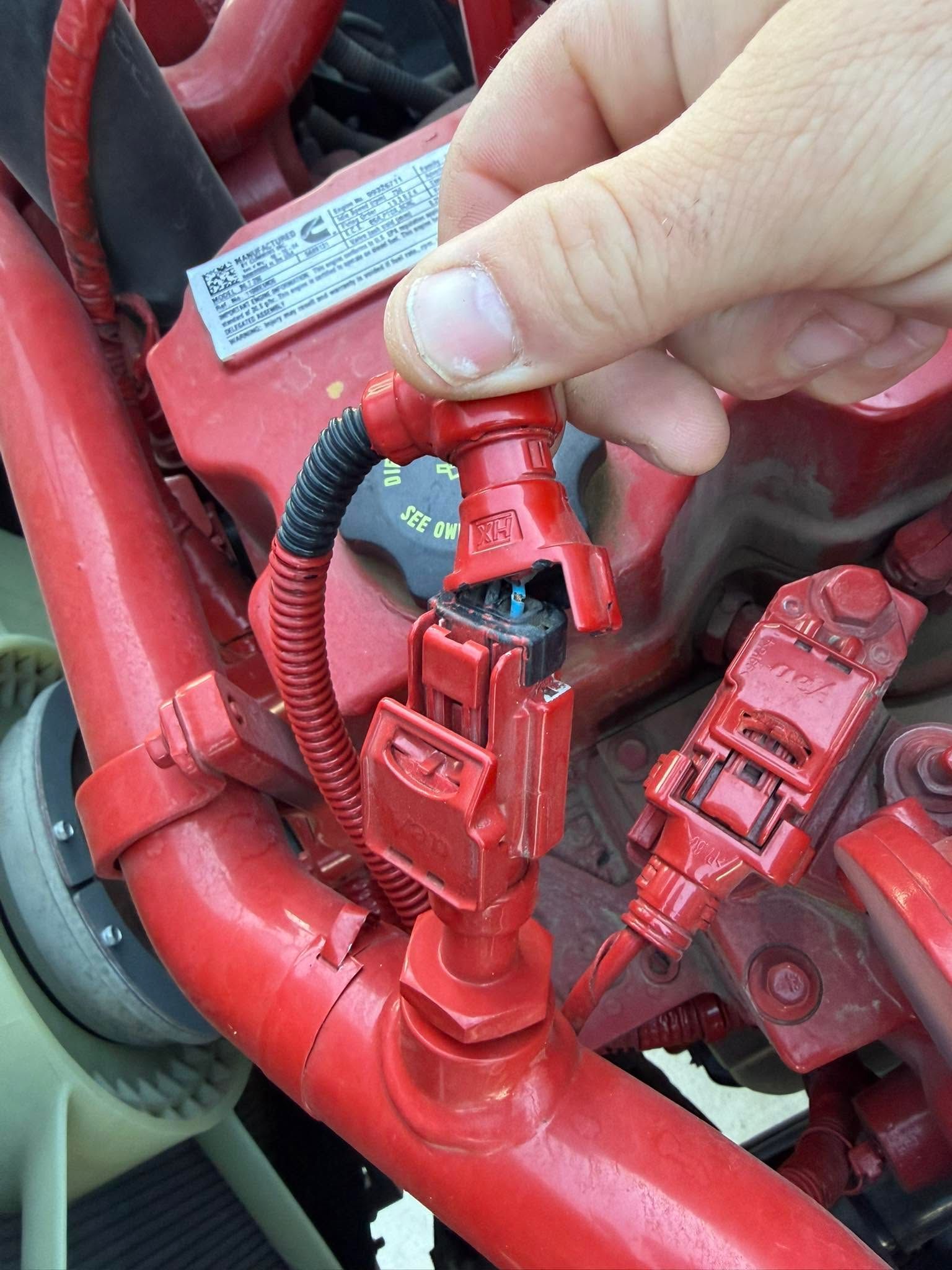
Fuel pressure testing connects a gauge to the fuel rail or supply line and measures pressure during cranking and running conditions, revealing whether the fuel pump delivers adequate volume, the fuel filter restricts flow from contamination, or a faulty pressure regulator allows pressure to drop below specification. Injector testing involves listening for clicking sounds indicating electrical operation, measuring injector resistance to confirm coil integrity, and checking spray patterns when possible to verify atomization. Spark testing uses a spark tester inserted between the coil and plug to observe spark color, intensity, and consistency, with weak or inconsistent spark indicating coil failure, worn plug electrodes, or faulty ignition module triggering.
After fuel or ignition repairs, starting improves when fuel pressure reaches specification and injectors deliver consistent fuel volume, misfires stop once spark plugs fire reliably and ignition coils produce adequate voltage, and power returns when all cylinders receive proper fuel and ignition timing. Rough running smooths out when each cylinder contributes evenly to combustion instead of intermittently misfiring. Fuel economy improves when injectors atomize fuel correctly and ignition timing allows complete combustion rather than wasting fuel through incomplete burning or mistimed spark.
Troubleshooting is performed where the vehicle or equipment is located, allowing testing under actual operating conditions rather than relying solely on intermittent fault codes that may not appear during shop testing. Gasoline and diesel equipment both receive systematic diagnosis, with fuel and ignition components specific to each engine type tested according to their design and operating principles.
Questions About Ignition and Fuel Repairs
Fuel and ignition problems create overlapping symptoms that require testing to separate one system from another, so understanding what diagnostics measure helps clarify why certain components need replacement.
How do you determine whether a no-start problem is fuel or ignition related?
Testing involves checking for spark at the plugs while cranking, then measuring fuel pressure at the rail, which separates ignition system failures from fuel delivery problems and narrows diagnosis to the system that is not operating correctly.
What causes intermittent misfires that come and go?
Intermittent misfires often result from worn spark plug electrodes that fire inconsistently under load, failing ignition coils that break down when heated, or fuel injectors with internal deposits that partially obstruct spray patterns during certain operating conditions.
Can fuel pump problems be diagnosed without removing the fuel tank?
Yes, fuel pressure testing connects a gauge to the fuel rail or a test port, allowing pump output to be measured during cranking and running without tank removal, though pump replacement itself may require tank access depending on vehicle design.
Why does the engine run rough when cold but smooth out after warming up in the Texas Panhandle?
Cold running problems often point to fuel enrichment issues, faulty temperature sensors affecting fuel delivery, or ignition components like spark plugs that fire poorly when cold but improve as combustion chamber temperatures rise and vaporize fuel more completely.
Does ignition and fuel system repair apply to diesel engines?
Diesel engines use fuel delivery timing and compression heat for ignition rather than spark plugs and coils, so diesel fuel system repair focuses on injection pumps, injectors, fuel filters, and glow plugs, while gasoline engines involve spark plugs, ignition coils, and related ignition components.
JMA Repair provides mobile diagnostics to identify whether starting and running problems originate in the fuel system, ignition system, or another area affecting engine performance. Request an on-site diagnostic appointment when you experience hard starting, no-start conditions, misfires, power loss, or inconsistent operation that suggests fuel delivery or ignition problems rather than routine maintenance needs.