Boat Engines That Fail to Start
Marine & Boat Engine Repair in Canyon for inboard, outboard, and stern-drive engines experiencing fuel system blockages, electrical failures, and starting problems
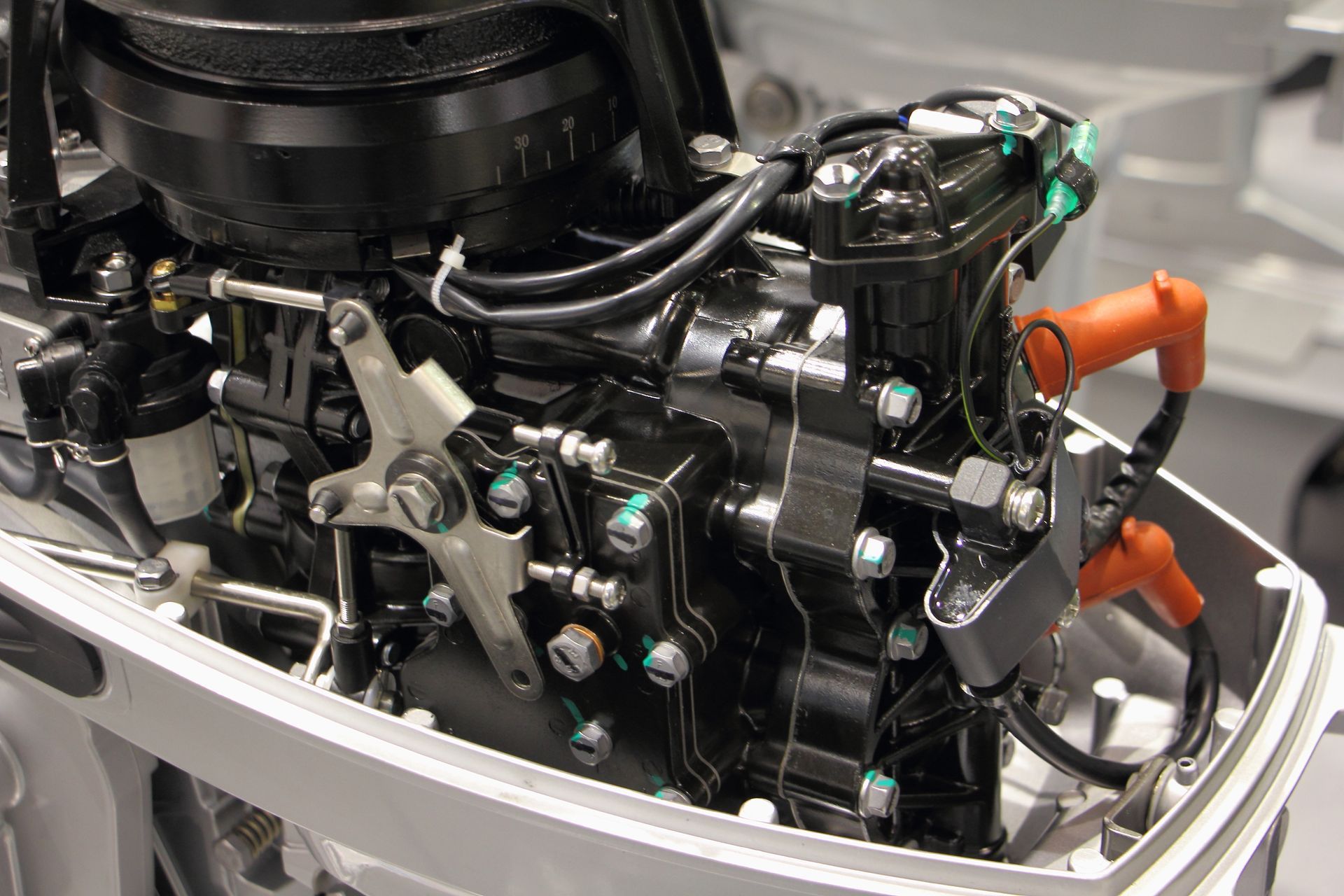
Boats stored at private property or kept at locations where transportation for diagnostics is inconvenient benefit from mobile mechanical service that evaluates engine problems without requiring trailering to a marine facility. JMA Repair troubleshoots inboard, outboard, and stern-drive engines for fuel-system cleaning, electrical faults, impeller replacement, seasonal mechanical preparation, and engine diagnostics within the company's stated service capabilities. Mechanical experience across different engine applications, including boats, informs troubleshooting for starting failures, overheating, poor performance, and intermittent shutdowns that prevent reliable operation on the water.
Diagnostics test ignition spark delivery, fuel flow from tank through filters and pumps to the carburetor or injection system, battery condition and charging system output, and cooling water circulation through the impeller and heat exchanger. The evaluation isolates whether the engine will not crank, cranks without firing, starts then stalls, or runs poorly due to fuel starvation, weak spark, cooling system blockage, or electrical sensor faults.
Schedule a mobile evaluation to diagnose your boat engine's mechanical or fuel system failure at the storage or dock location.
How Marine Engine Troubleshooting Identifies Failures
Testing begins with the starting circuit to confirm battery voltage, starter motor engagement, and neutral safety switch operation, then moves to fuel delivery and ignition if the engine cranks without starting. Fuel pressure measurement detects pump failures or clogged filters, while spark testing reveals ignition coil, distributor, or sensor faults that prevent combustion. Cooling system inspection checks water pump impeller condition, thermostat operation, and blockages in cooling passages that cause overheating shortly after the engine reaches operating temperature.
After repair, the boat engine starts promptly when the ignition key is turned, idles smoothly without stalling, accelerates cleanly without hesitation or misfiring, and maintains stable operating temperature during extended running. Engines that previously overheated now circulate cooling water properly through the impeller and heat exchanger, and fuel consumption returns to expected levels when carburetor cleaning or injector service restores correct air-fuel mixture ratios.
Mobile marine service focuses on mechanical engine maintenance and troubleshooting rather than hull restoration, upholstery, electronics installation, or trailer repair, which fall outside the offering. Some repairs, such as lower unit rebuilds or internal powerhead work, may require component removal and machine shop services that cannot be completed in the field, depending on the extent of damage and the specialized tools involved.
What Boat Owners Usually Ask
Marine engine service requests in the Texas Panhandle typically involve equipment that has been stored over winter, failed during early-season use, or developed problems after ethanol fuel degradation or cooling system neglect.
What prevents boat engines from starting after winter storage?
Carburetor varnish from fuel left in the system, dead batteries from months of inactivity, corroded electrical connections exposed to moisture, and seized water pump impellers that dry out during storage all contribute to spring startup failures.
How does mobile service benefit boats stored at private locations?
On-site diagnostics avoid the cost and delay of trailering a non-running boat to a marine shop, allow testing with the engine still mounted in the hull, and provide immediate feedback on whether the problem can be repaired in place or requires parts that must be ordered.
What information speeds up marine engine diagnostics?
Providing the boat manufacturer, engine type (inboard, outboard, or stern-drive), fuel type, model year, and a description of the failure—such as no crank, crank with no start, or overheating—allows preparation of marine-specific tools and common replacement parts like impellers and ignition components before arrival.
Why do boat engines overheat even when the cooling system appears to pump water?
Partial blockages in the thermostat housing, heat exchanger scaling from mineral deposits, or impeller blades that have lost flexibility prevent adequate water circulation even when discharge flow at the telltale outlet seems normal, and these restrictions only become apparent under sustained load or higher engine speeds.
How often should water pump impellers be replaced on boat engines?
Most manufacturers recommend impeller replacement every two to three years regardless of appearance, because rubber degradation reduces pumping efficiency and increases the risk of sudden blade failure that can overheat the engine and warp the cylinder head before the temperature gauge registers a problem.
JMA Repair provides mobile mechanical service for inboard, outboard, and stern-drive boat engines experiencing starting, fuel delivery, electrical, and cooling system failures. Provide the boat type, engine configuration, current location, and observed symptoms when requesting service.